Innovate UK has changed direction. The old model, a strong technical story and a credible team, is no longer enough on its own. The new strategy is aimed at building high-potential UK businesses, not funding isolated research projects. That changes what a winning application looks like, and when the work to write one has to start.
Start with strategic fit
Assessors are now calibrating applications against a portfolio-level view of what Innovate UK wants the UK economy to look like. An application that cannot connect its individual work to that picture is at a disadvantage before the technical case is even read.
Make it obvious where the business sits in the market, why it matters now, and how it aligns with the direction Innovate UK is taking. A compelling technology on its own is not enough. The application has to show that the opportunity is commercially important, that the venture can become part of something bigger, and that public money will have a measurable effect on a business that would otherwise be under-capitalised.
The commercial case is no longer a supporting document
Too many applications still lean almost entirely on the technology. That is a mistake. If the application cannot explain who will buy, why they care, and what happens after the project ends, it is weak regardless of how strong the science is. Innovate UK is signalling clearly that it wants companies that can scale, attract investment, and stay in the UK. The commercial section of an application is no longer supporting evidence. It is the case for funding. That means a defined beachhead market, sized credibly. A named first buyer and a reason they buy. A clear line from the grant-funded phase to the phase that follows it. A hand-wave toward significant market opportunity is worth nothing.
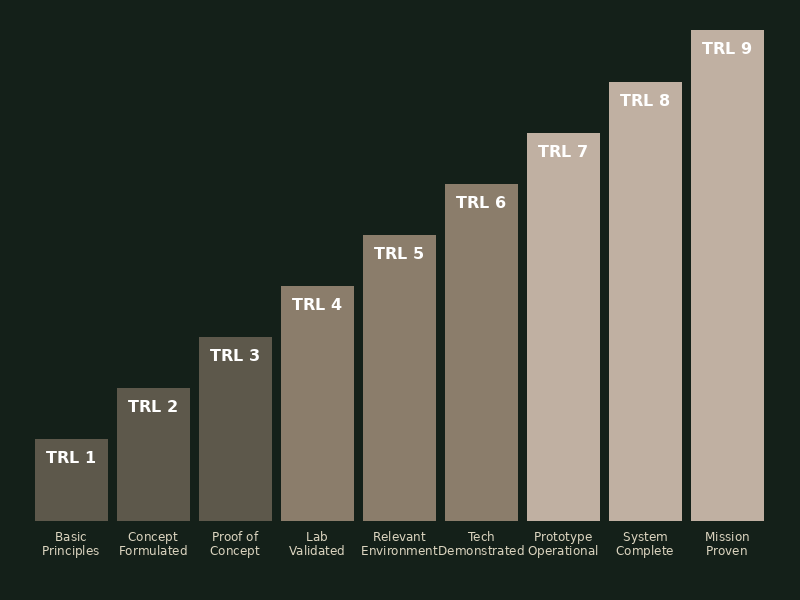
Be honest about stage
Support will be calibrated to stage and risk, with grants and loans matched more carefully to business maturity. The ask has to fit the evidence. Overselling readiness will hurt. Applying too early will too. The discipline is knowing what phase the venture is genuinely in, what the evidence will actually support, and applying into the instrument that matches. An application that looks over-sold against its own evidence will be flagged. One that looks under-ambitious against genuinely strong evidence will be marked down.
Write like a business worth backing
Applications that read like grant applications will lose to applications that read like business cases. The distinction is not cosmetic. A grant application describes a project that will be done with money. A business case describes a venture that will be funded, of which this grant is one part. Clarity, credibility, traction, and a believable route to scale. That is what assessors are looking for, because that is what Innovate UK’s new strategy is designed to back.
The best applications start before the form opens
A good application cannot be written in two weeks from a cold start. The commercial case, the business model, and the funding strategy have to be aligned before the form is opened. The founders who win under the new strategy are the ones who have done that work in advance. At Hatch, this is what the work looks like in practice. Engineering and commercial strategy developed together, not in sequence, so the Innovate UK application is not a separate exercise. It is a shorter version of the case the venture is already making to investors, partners, and customers.
What Hatch does
At Hatch, this is the work we do. At Hatch, this is the work. Engineering and commercial strategy developed together so the Innovate UK application reflects a case already being made to investors, partners and customers
Related reading: Why most university spinouts are structurally doomed