Thinking Out Loud

Most deep tech never gets there. Hatch writes about the engineering and commercialisation decisions, market forces and industry shifts that determine whether great technology reaches the market.

UK Robotics Adoption Needs Air Traffic Control

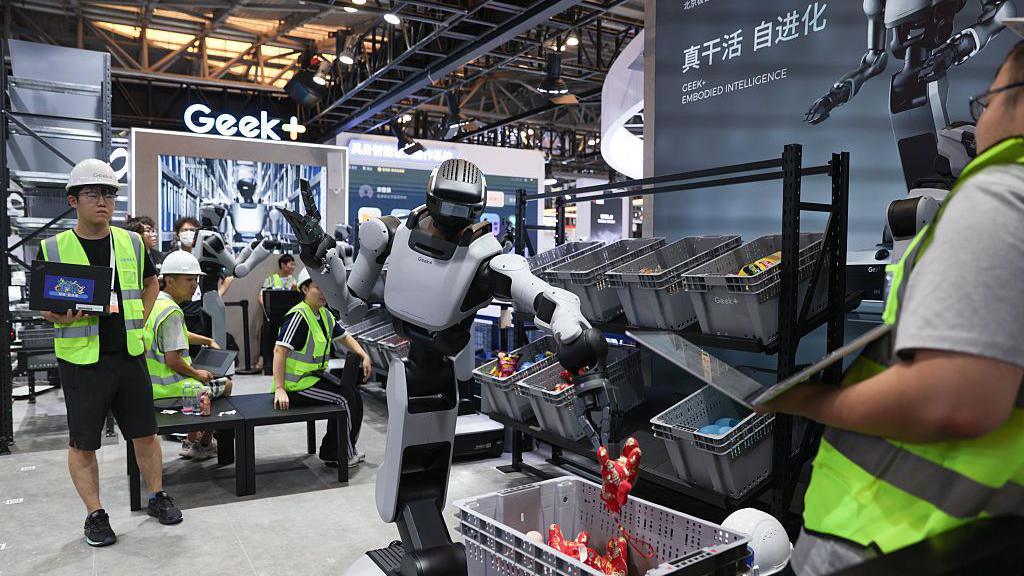
The UK has the lowest robot density in the G7. This year the government funds Robotics Adoption Hubs and a Central Convening Body to fix that. The catch: it only works if we build it as air traffic control, not a help desk. Here is how, and where Hatch fits in.

UKRI Strategy 2026–2031: What It Means for Deep-Tech Commercialisation

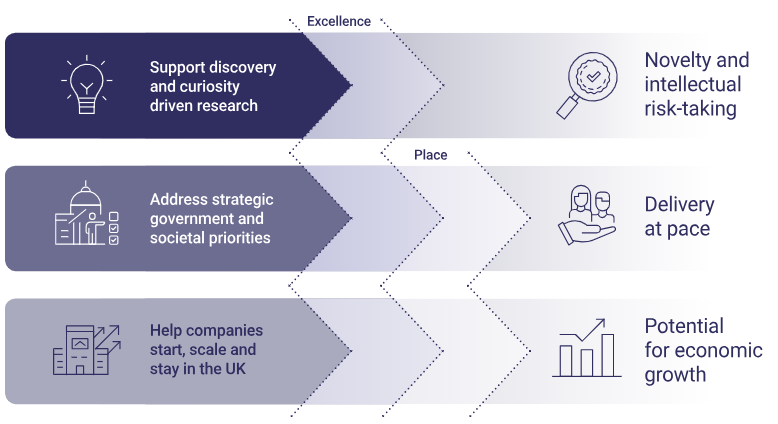
The UKRI Strategy 2026–2031 sets a clearer direction for how public research funding will connect with commercialisation, private investment and UK economic growth. For universities, spin-outs and technology businesses, the implication is straightforward: excellent research remains essential, but stronger commercial evidence will be expected much earlier.

Why We Chose Grand Rapids

We build deep tech businesses for a living. Most of that work has happened in the UK, in Oxford, Birmingham, Newcastle and Strathclyde. But Hatch is a transatlantic firm. So the other half of our address is Grand Rapids, Michigan. People ask us why. This is the answer. An innovation ecosystem is easy to describe and hard to build. Grand Rapids has done it, and the Chamber is a big part of why it holds.

What Deep Tech Investors are actually looking for today

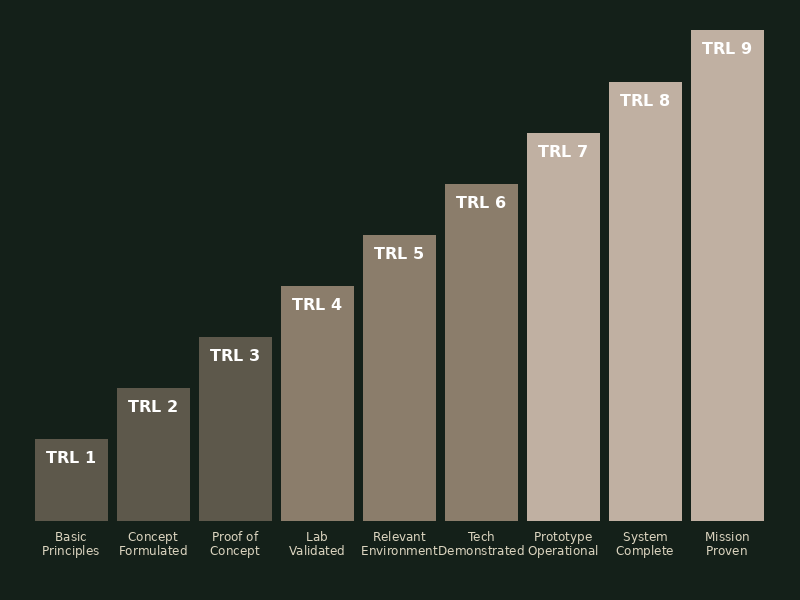
A TRL 7 demonstration is not an investment thesis. Neither is a patent filing, a peer-reviewed paper, or a proof of concept. These are necessary conditions. They are not sufficient ones. Sophisticated deep tech investors evaluate four things in parallel with the technology: market validation, beachhead clarity, IP coherence, and team completeness. The weakest of the four sets the valuation. Most deep tech ventures leave the commercial questions until the technology is ready. That sequencing is the standard failure pattern. The most expensive version of it is discovered at the investor meeting.

Cobalt. The Battery Metal the West Doesn’t Control

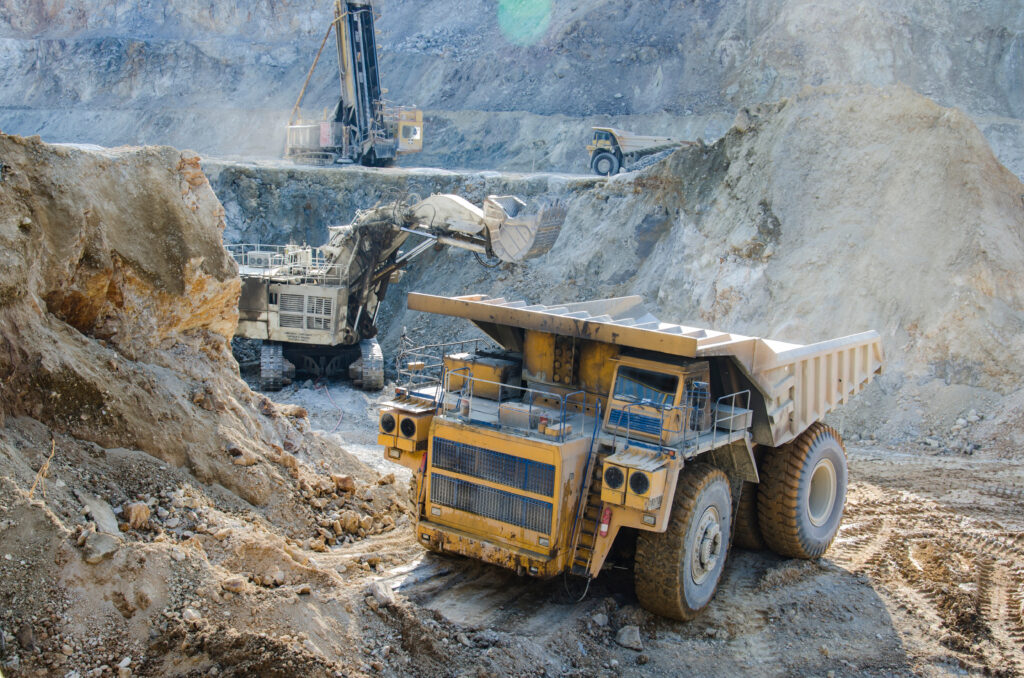
76% of cobalt is mined in one fragile state. China controls 70% of world refining. An export ban hit in February 2025, sending prices from $21,000 to over $56,000 a tonne by mid-2026. A quota system replaced the ban, but the market was already repriced. The deeper issue is structural: one country among the world's most fragile supplies the majority of a mineral the energy transition cannot function without. China holds stakes in 15 of the largest cobalt mines in the DRC and refines 70% of world supply. Deep tech battery ventures already sit inside this supply chain whether they know it or not.

Copper – The Metal Underneath Everything

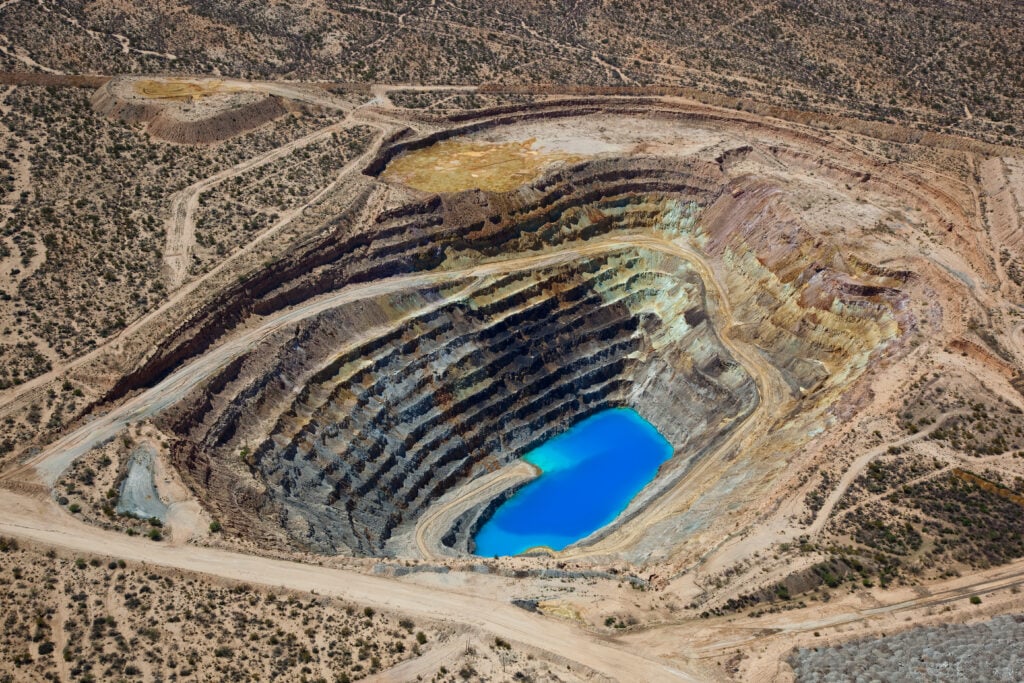
Copper hit $14,200 a tonne in mid-2026. The more important story is not the price. In November 2025, the United States added copper to its Critical Minerals List for the first time. The EU moved earlier, designating it a strategic raw material with binding legal force in 2024. Both unlock expedited permitting, tax credits, and project status. Coverage was confined to mining law blogs and trade press. The cleantech ecosystem, most exposed to copper supply risk, largely missed it. Every EV needs four times the copper of a combustion vehicle. Every large offshore turbine contains up to 15 tonnes.