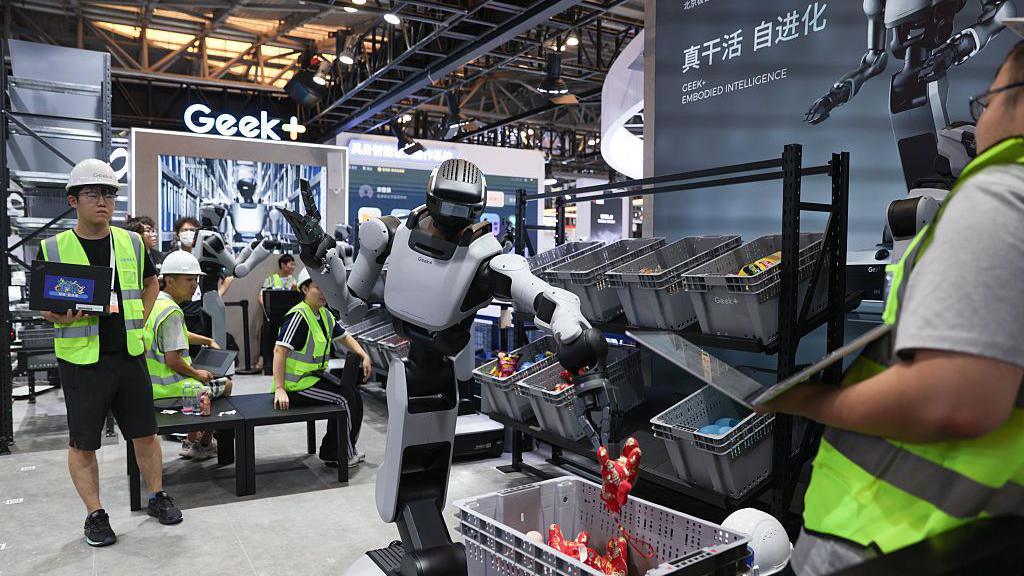
A UK university enterprise office had a novel industrial robotics technology for a circular economy application. Working prototype. Real underlying capability. No defensible answer to the questions that determine whether a technology becomes a business who buys first, at what price, and in what commercial form.
What Hatch did
A two-phase engagement. Phase 1 built the commercial strategy. Phase 2 with spinout formation is now live.
Six adopter segments were mapped and ranked. The fastest-moving segment emerged at twelve to eighteen months, driven by stock availability, operational pressure, and no credible UK competitor in the space. The slowest segments, automotive-tier procurement chains, sat at thirty-six to forty-eight months. The research team’s instinct was to chase the most prestigious end-customer first. That is the path that runs out of cash before it reaches revenue.
The commercial form recommendation was a systems integrator spinout , not a hardware manufacturer. Robot manufacturers become suppliers, not competitors. Revenue comes through design-and-build contracts. Every customer project compounds the software library, validated testing procedures and tooling catalogue. A business that gets stronger with every sale.
Where it stands
Phase 1 complete and delivered. Phase 2 spinout formation and readiness now live. Findings remain commercially confidential.
Know the technology works but not sure where to start commercially? Talk to us.