

The science is ready. Am I?
Most future founders are not sure if they are ready to make the leap. Hatch works alongside the team before the decision is made, so when the moment comes the answer is based on evidence not gut feeling.
Most university spinout teams have spent years getting the science right. The commercial question, the right market, the right business model, the right structure, has barely been asked. Hatch embeds alongside the team from the earliest conversations, bringing engineering and commercialisation thinking together so the business is built on what the technology can actually deliver.
Years of research. A technology that works. And suddenly the question is not whether the science is right but whether it can become a business, who the first customer is, what the model looks like and whether incorporation is even the right move. These are not science questions. They are engineering and commercial questions, and getting them wrong at this stage is expensive. Hatch works alongside future founders before the big decisions are made, so the business is built on evidence not hope.
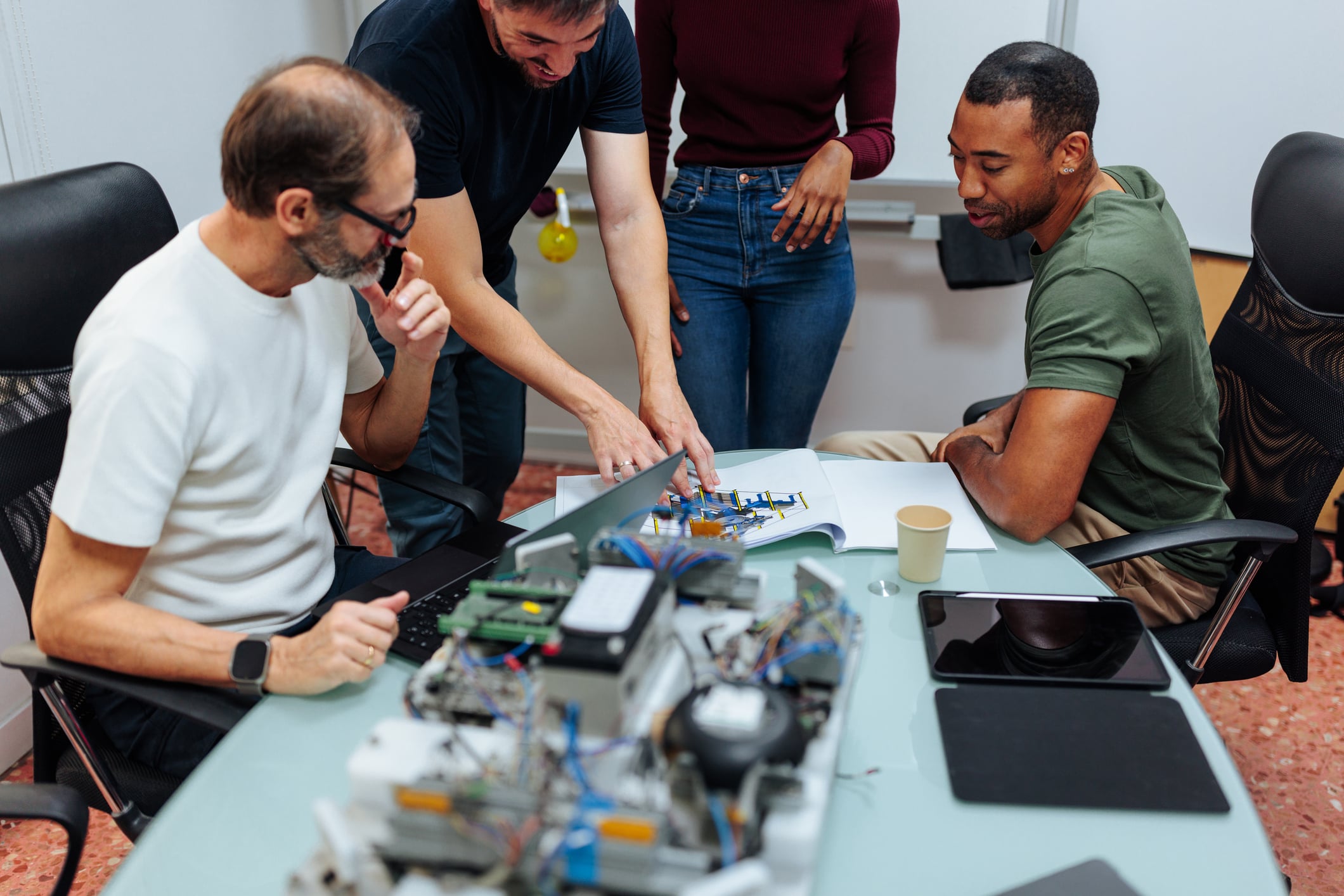
Before any commercial question can be answered the technology has to be understood on its own terms. What it actually does, where it is genuinely differentiated, where the IP sits and what the technical readiness level means for the path ahead. Hatch starts here because the commercial strategy is only as strong as the engineering understanding behind it.
Most future founders are not sure if they are ready to make the leap. Hatch works alongside the team before the decision is made, so when the moment comes the answer is based on evidence not gut feeling.
Researchers are surrounded by brilliant scientists, not experienced founders. Hatch brings the engineering and commercial experience of people who have built, funded and exited deep tech companies to every conversation.
Many pre-spinout ventures discover the assumed market or business model will not fund before incorporation. Finding that out early is the most valuable thing Hatch does. Finding it out after is the most expensive mistake.
Building a deep tech company for the first time is one of the hardest things a researcher will ever do. Hatch's co-founders have done it themselves, building a transatlantic deep tech company from scratch, incorporating in the US, raising seed funding, reaching commercial certification and exiting cleanly in two years. That experience sits behind every conversation Hatch has with a future founder.

Hatch works alongside future founders from the earliest pre-spinout conversations through to incorporation, first funding and beyond. The engineering and commercial work happens together, in the same room, at the same time. Every engagement starts with a clear set of outcomes and ends with something the founder can take into the next investor conversation, TTO meeting or partnership discussion with confidence.
Related case study
Hatch doesn't just advise founders on how to build deep tech companies. The co-founders have done it themselves. In August 2022 Lesley Blaine and Chris Gregory co-founded KYMA Battery Technologies, a US grid storage company built around repurposed EV battery modules. Two years later the demonstrator cascade was complete, the products were certified for commercial use, and the founders exited cleanly.
Always. No pitch, no obligation, no clock running. The first conversation is about understanding where the technology is and whether the time is right to start thinking commercially. If it is not, that will be said honestly.
No. The earlier the conversation starts the better. Many of the most important commercial and engineering decisions get made before incorporation. Getting them right before the company exists is significantly cheaper than fixing them after.
Yes. That is one of the most valuable things Hatch does. Many pre-spinout ventures discover on closer examination that the assumed market or business model will not fund. Finding that out before incorporation is the honest answer. Finding it out after is the expensive one.
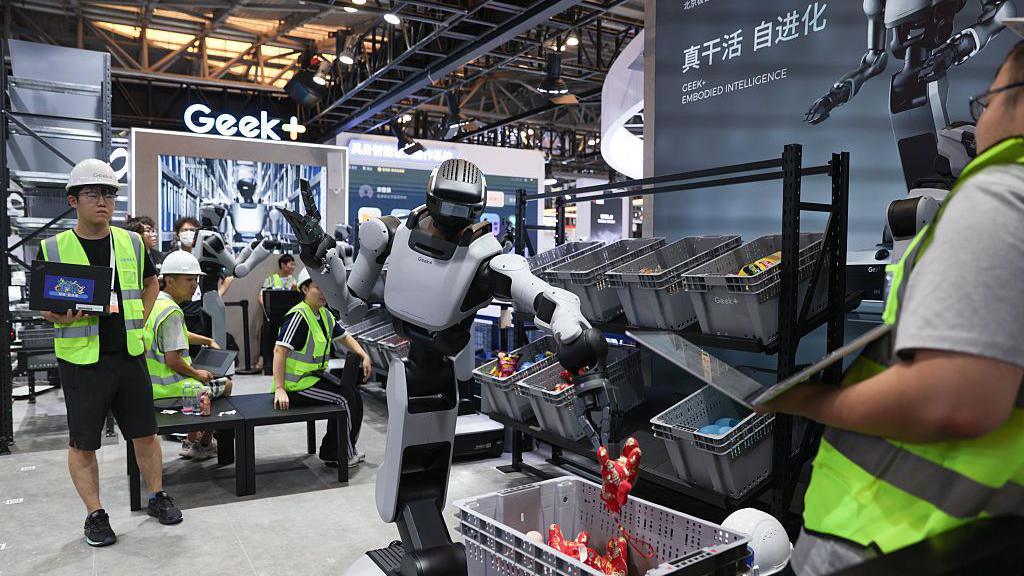
The UK has the lowest robot density in the G7. This year the government funds Robotics Adoption Hubs and a Central Convening Body to fix that. The catch: it only works if we build it as air traffic control, not a help desk. Here is how, and where Hatch fits in.
Innovate UK has changed direction. A strong technical story is no longer enough on its own. The new strategy aims to build high-potential UK businesses, not fund isolated projects. Assessors calibrate applications against a portfolio-level view of what Innovate UK wants the UK economy to look like. The commercial case is no longer supporting evidence. It is the case for funding. A defined beachhead market, sized credibly. A named first buyer and a reason they buy. A clear line from the grant-funded phase to the work that follows. The founders who win start this work long before the form opens.
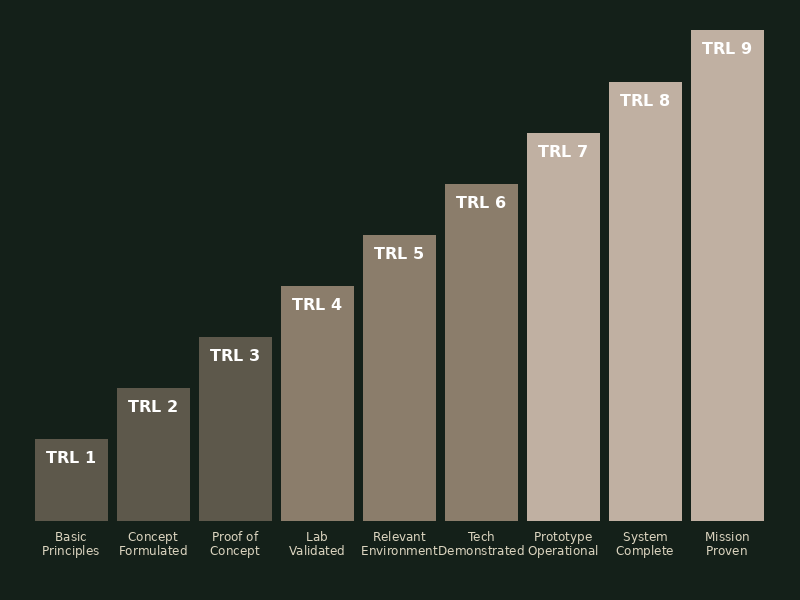
A TRL 7 demonstration is not an investment thesis. Neither is a patent filing, a peer-reviewed paper, or a proof of concept. These are necessary conditions. They are not sufficient ones. Sophisticated deep tech investors evaluate four things in parallel with the technology: market validation, beachhead clarity, IP coherence, and team completeness. The weakest of the four sets the valuation. Most deep tech ventures leave the commercial questions until the technology is ready. That sequencing is the standard failure pattern. The most expensive version of it is discovered at the investor meeting.
If you are not sure where to start that is exactly what the first conversation is for. No pitch, no pressure just a conversation.