
Case Studies
Find out more about what we have done for our clients.



CASE STUDIES
Wind energy from motorway lampposts.
Vertical axis wind turbine for motorway lampposts. The engineering to reach DNV certification.
View projectPower Electronics Pre-Commercialisation Market Validation
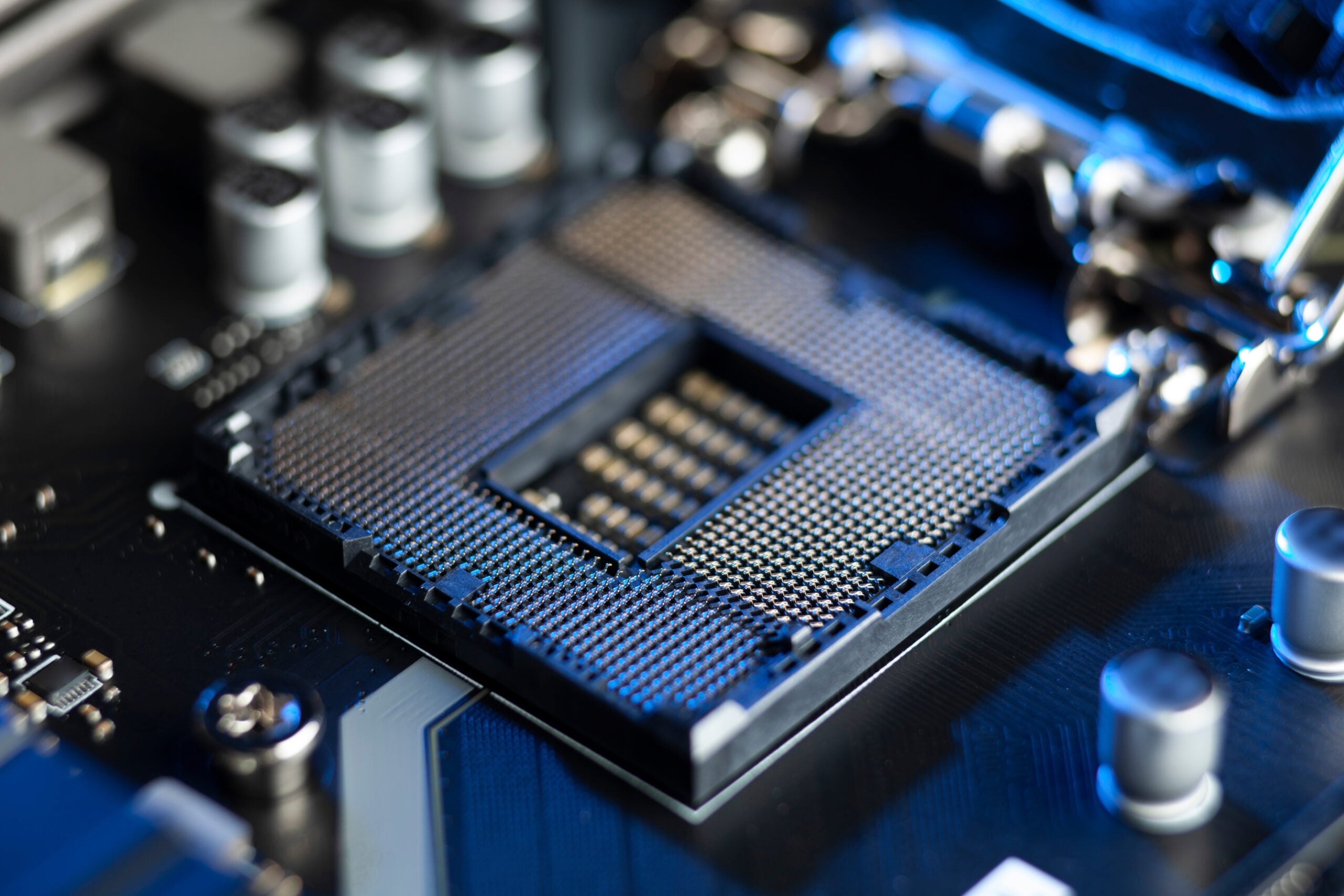
A UK university research group had a novel power-electronics technology for the electricity distribution sector and a national innovation funding bid to write. The funding programme required answers to two questions the team did not yet have evidence to answer. What is the market opportunity? And the route to commercial deployment?
View projectBuilt it. Certified it. Exited it.
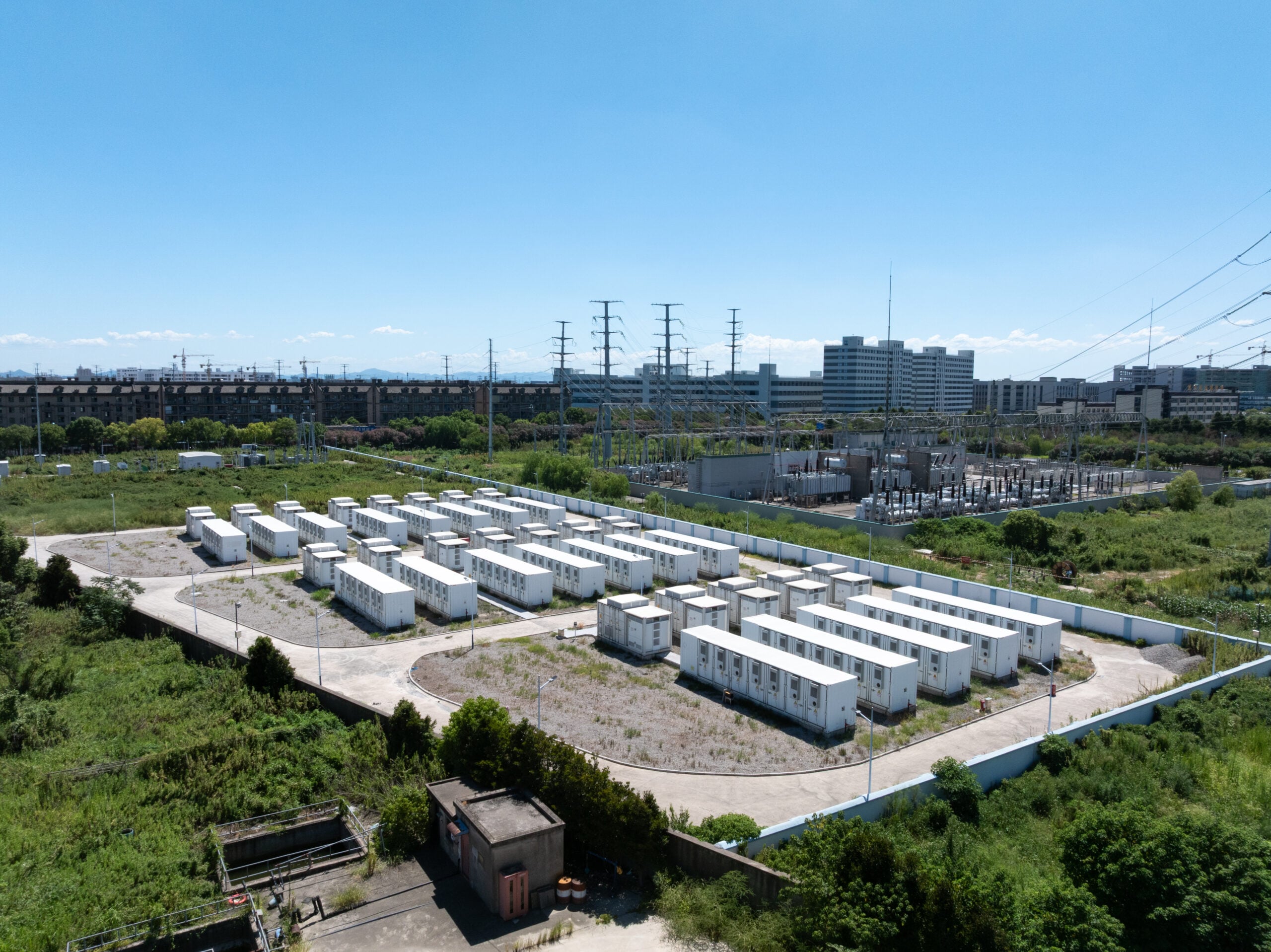
Hatch doesn't just advise founders on how to build deep tech companies. The co-founders have done it themselves. In August 2022 Lesley Blaine and Chris Gregory co-founded KYMA Battery Technologies, a US grid storage company built around repurposed EV battery modules. Two years later the demonstrator cascade was complete, the products were certified for commercial use, and the founders exited cleanly.
View projectThree patents. One decision. Not a spinout.
A UK university TTO had three interrelated patents from a single research group. Technically credible. Commercially uncommitted. Accruing annual prosecution costs. The institutional reflex was to ask whether they could support a spinout. That was the wrong question.
View projectRooftop wind done properly.
Rooftop wind has a credibility problem. A first generation of products over-promised on siting flexibility, underdelivered on energy yields, and in many cases never reached certification.
View projectRobotics built to reach revenue. Not prestige.
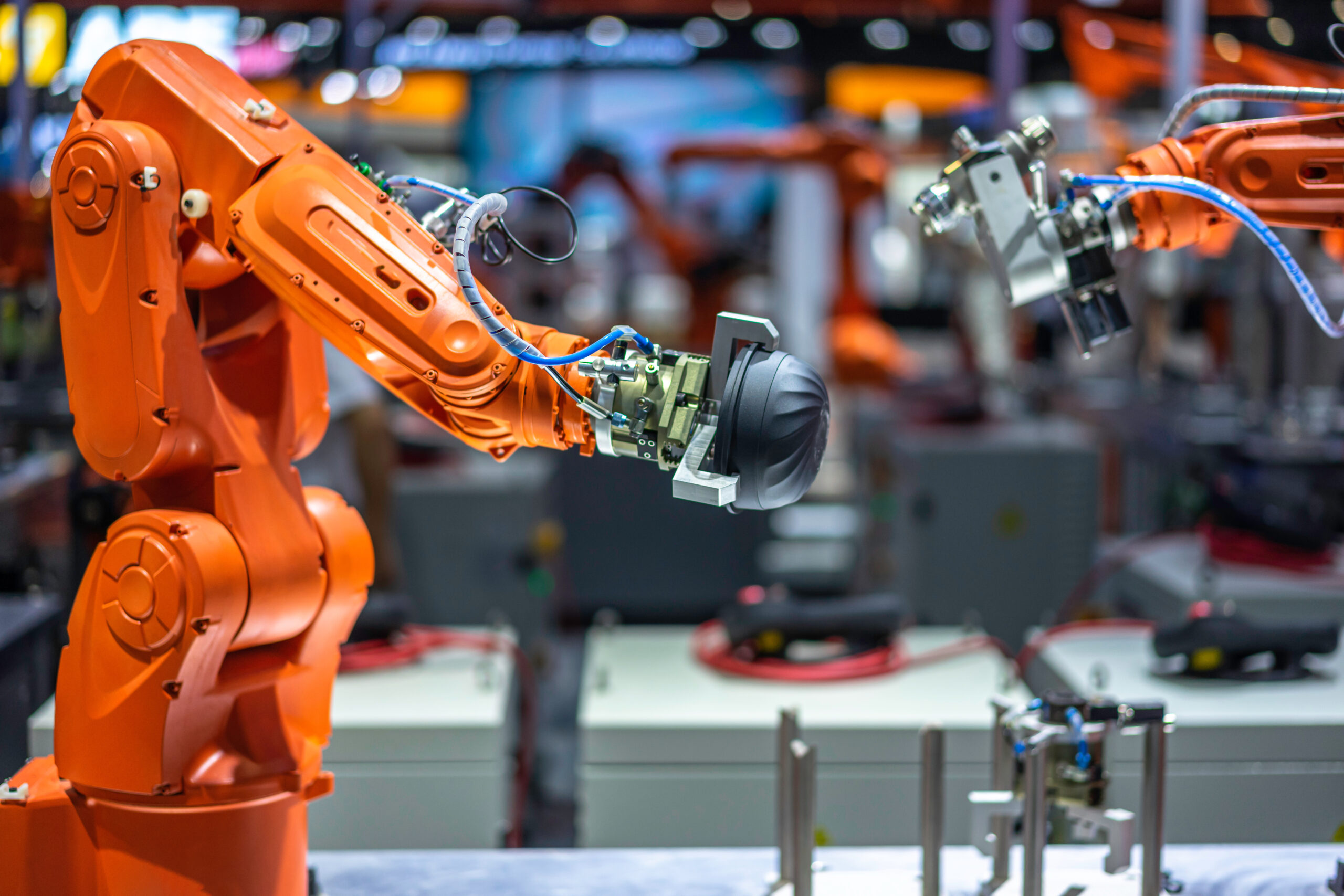
A UK university enterprise office had a novel industrial robotics technology for a circular economy application. Working prototype. Real underlying capability. No defensible answer to the questions that determine whether a technology becomes a business who buys first, at what price, and in what commercial form.
View projectThe Chemistry was right. Now the Business Model
A patented wastewater metal recovery process from the University of Strathclyde. A previous commercialisation assessment had selected the wrong beachhead market. The commercial case to move through the public funding pathway did not yet exist in fundable form.
View projectWrong Market. Right Technology.
Wrong market. Right technology. £5M. A UK university had developed a novel process for the recovery of battery anode and cathode materials. Technically credible. No market validation. No commercialisation path. No industrial partners.
View projectTwo technologies. Two different commercial futures.
A UK university research group had two adjacent thermal-energy technologies from the same lead researcher. Both technically credible. Both with a plausible commercial future. The institutional instinct was to commercialise them together as a single spinout. That was the wrong call.
View project01 / 09
Interested in our latest thinking?
Hatch writes about the engineering and commercial decisions that determine whether deep tech reaches the market, and the forces shaping whether it gets the chance.
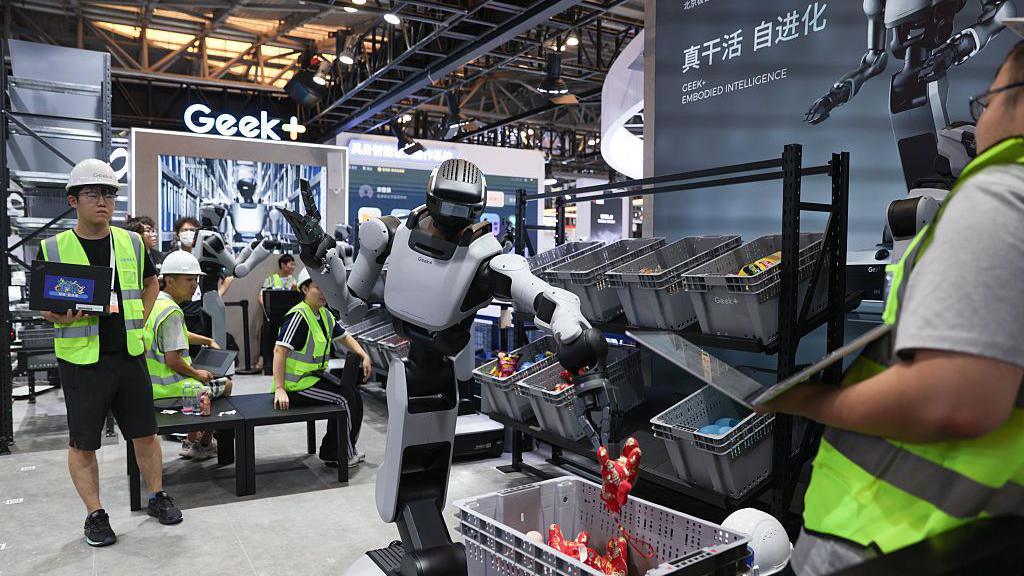
UK Robotics Adoption Needs Air Traffic Control
The UK has the lowest robot density in the G7. This year the government funds Robotics Adoption Hubs and a Central Convening Body to fix that. The catch: it only works if we build it as air traffic control, not a help desk. Here is how, and where Hatch fits in.

How to win more grants under Innovate UK’s new strategy
Innovate UK has changed direction. A strong technical story is no longer enough on its own. The new strategy aims to build high-potential UK businesses, not fund isolated projects. Assessors calibrate applications against a portfolio-level view of what Innovate UK wants the UK economy to look like. The commercial case is no longer supporting evidence. It is the case for funding. A defined beachhead market, sized credibly. A named first buyer and a reason they buy. A clear line from the grant-funded phase to the work that follows. The founders who win start this work long before the form opens.
What Deep Tech Investors are actually looking for today
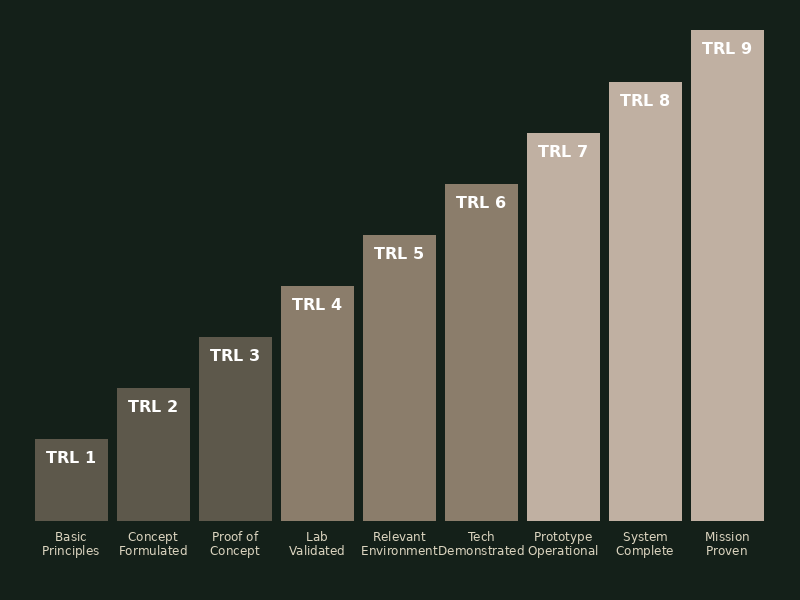
A TRL 7 demonstration is not an investment thesis. Neither is a patent filing, a peer-reviewed paper, or a proof of concept. These are necessary conditions. They are not sufficient ones. Sophisticated deep tech investors evaluate four things in parallel with the technology: market validation, beachhead clarity, IP coherence, and team completeness. The weakest of the four sets the valuation. Most deep tech ventures leave the commercial questions until the technology is ready. That sequencing is the standard failure pattern. The most expensive version of it is discovered at the investor meeting.
Every great project starts with a conversation
If you are not sure where to start that is exactly what the first conversation is for. No pitch, no pressure just a conversation.